

What you can’t take on a Cruise
Cruise Packing Rules Are Not the Same as Flying
One of the most common questions first-time cruisers ask is:
“What am I actually allowed to take on a cruise ship?”
Cruise lines have their own rules — and they’re often different from airline baggage rules, hotel policies, or all-inclusive resorts. Get it right, and boarding is smooth. Get it wrong, and items can be confiscated, delayed, or refused.
This guide breaks down:
What drinks and alcohol you can bring onboard
What electronics and chargers are allowed
What items are commonly confiscated
Practical packing tips for first-time cruisers
👉 Important caveat: Rules vary by cruise line and itinerary. Always double-check your cruise line’s official website before sailing.
Alcohol on Cruise Ships: What’s Allowed (and What Isn’t)
Alcohol policies vary more than almost anything else — and this is where most confusion happens.
Can You Take Alcohol on a Cruise?
On most mainstream cruise lines:
❌ Spirits and hard alcohol are not allowed in hand luggage
🍷 Wine is often allowed in limited quantities
🍺 Beer rules vary widely
Typical Wine Allowance
Most cruise lines allow:
1–2 bottles of wine per cabin
Usually brought onboard in hand luggage
Consumption may be restricted to your cabin or subject to a corkage fee in restaurants
Spirits & Hard Alcohol
❌ Not allowed to be brought onboard
❌ Duty-free spirits bought in port are usually held until the end of the cruise - this is normal practice so hand them in and get them back on disembarkation.
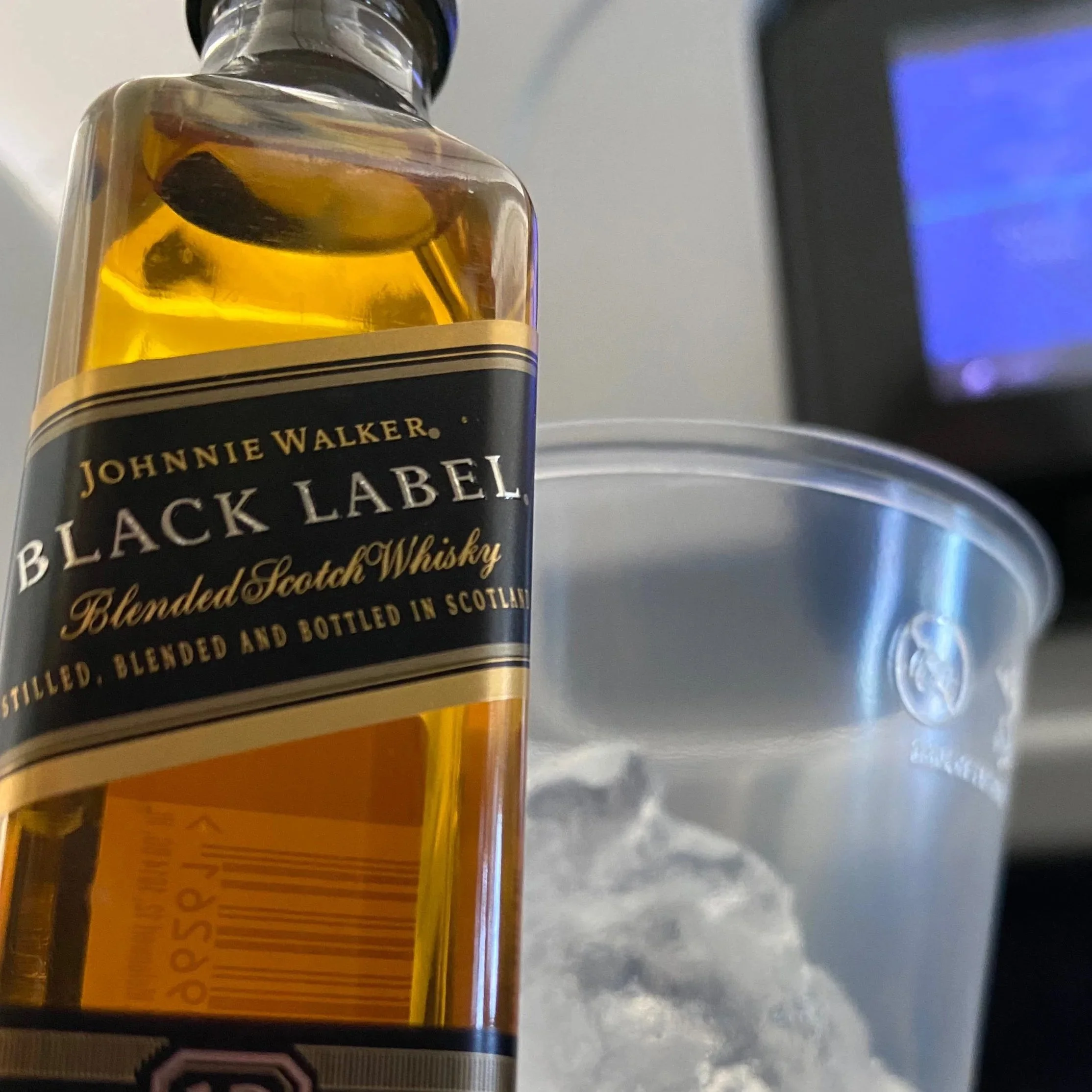
Whisky
Beer
Some cruise lines allow a limited quantity
Others treat beer the same as spirits
👉 Team Five tip: If alcohol matters to you, compare drinks packages carefully. We cover this in our cruise dining and drinks guides.
Soft Drinks, Water & Non-Alcoholic Beverages
This is another area where first-time cruisers often overpack — or assume incorrectly.
Water
Most cruise lines allow sealed bottles of water
Quantity limits apply
Some ships provide free filtered water stations
Soft Drinks
Often allowed in limited quantities
Must usually be sealed
Cans are sometimes preferred over bottles
Juice, Tea & Coffee
Included onboard in dining areas
Specialty coffees usually cost extra
👉 On cruises like Disney Cruise Line, basic drinks are more generous than on many other lines — something worth factoring into your planning.
Power Banks, Chargers & Electronics
Good news: cruise ships are generally electronics-friendly — with a few important rules.
What You Can Bring
✔ Power banks (hand luggage only)
✔ Phone chargers & USB cables
✔ Camera batteries
✔ Laptops & tablets
✔ Travel adaptors (non-surge)
What’s Not Allowed
❌ Extension leads with surge protection
❌ Multi-plug adapters with surge protection
❌ High-powered electrical devices
Why? Cruise ships have sensitive electrical systems, and surge protection is a fire risk.
👉 Safe alternative: Bring a simple cruise-approved USB charging hub with no surge protection.
Hair Tools, Irons & Steamers
This one surprises many first-time cruisers.
Hair Dryers
✔ Allowed
✔ Most cabins already have one
Hair Straighteners & Curlers
✔ Allowed on most cruise lines
❌ Must be automatic shut-off (on some lines)
Irons & Steamers
❌ Not allowed
❌ Fire hazard
👉 What to do instead: Use wrinkle-release spray - take in your luggage and hang in the bathroom after a shower - does the trick. Alternatively, ship laundry/pressing services - for a fee. Some cruise lines have laundry facilities so no need to pay for the expensive fees if you do it yourself.
Food & Snacks: What Can You Bring?
Packaged Snacks
✔ Allowed (crisps, biscuits, cereal bars)
✔ Useful for kids or picky eaters
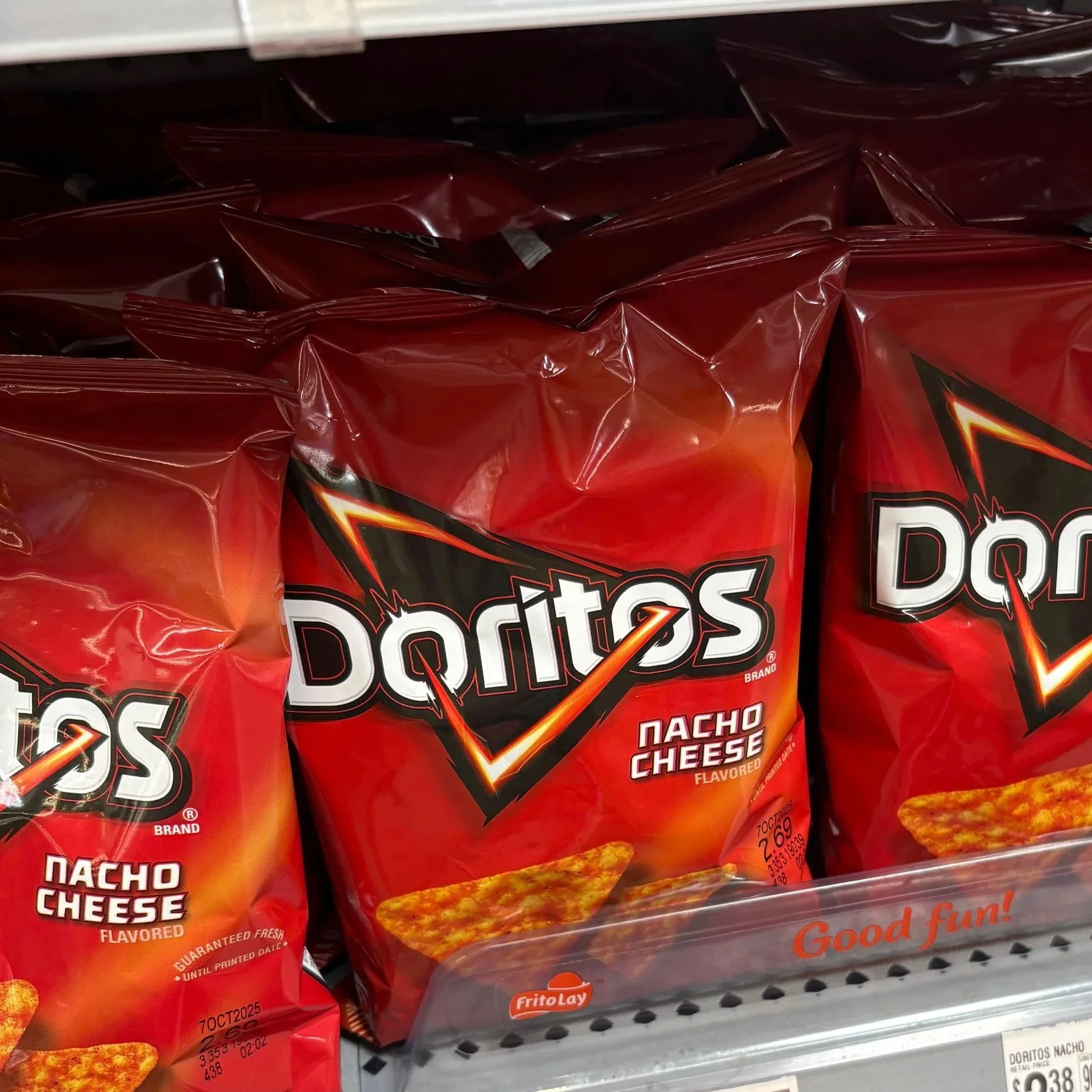
Is this your snack of choice?
Fresh Food
❌ Not allowed (fruit, meat, dairy)
Special Dietary Needs
✔ Allowed with documentation
✔ Notify cruise line in advance
👉 Cruise ships are generally excellent at catering for allergies — but communication is key, so let them know in advance.
Medications & Medical Items
Prescription Medication
✔ Allowed
✔ Keep in original packaging
✔ Carry in hand luggage
Over-the-Counter Medication
✔ Allowed
✔ Pack more than you think you’ll need but if you are seasick or feeling unwell, cruise ships have medical centres. They usually give out sea sick tablets free of charge.
Medical Devices
✔ CPAP machines allowed
✔ Sharps allowed with proper storage
👉 Team Five tip: Always pack medication in your carry-on, not checked luggage.
Prohibited Items You Might Not Expect
These items are commonly confiscated at embarkation:
❌ Candles
❌ Incense
❌ Portable heaters
❌ Hoverboards & e-scooters
❌ Drones (often held until end of cruise)
❌ Walkie-talkies (some lines)
👉 Confiscated items are usually returned at the end of the cruise — but not always.
What About Duty-Free Purchases in Port?
Alcohol bought in port is usually:
Tagged
Stored by the ship
Returned on the final night
This applies even if alcohol was purchased legally ashore.
Carry-On vs Checked Luggage: What Goes Where
Carry-On Bag Essentials
✔ Passport & documents
✔ Medication
✔ Phone chargers
✔ First-day clothes
✔ Swimwear (cabins may not be ready)
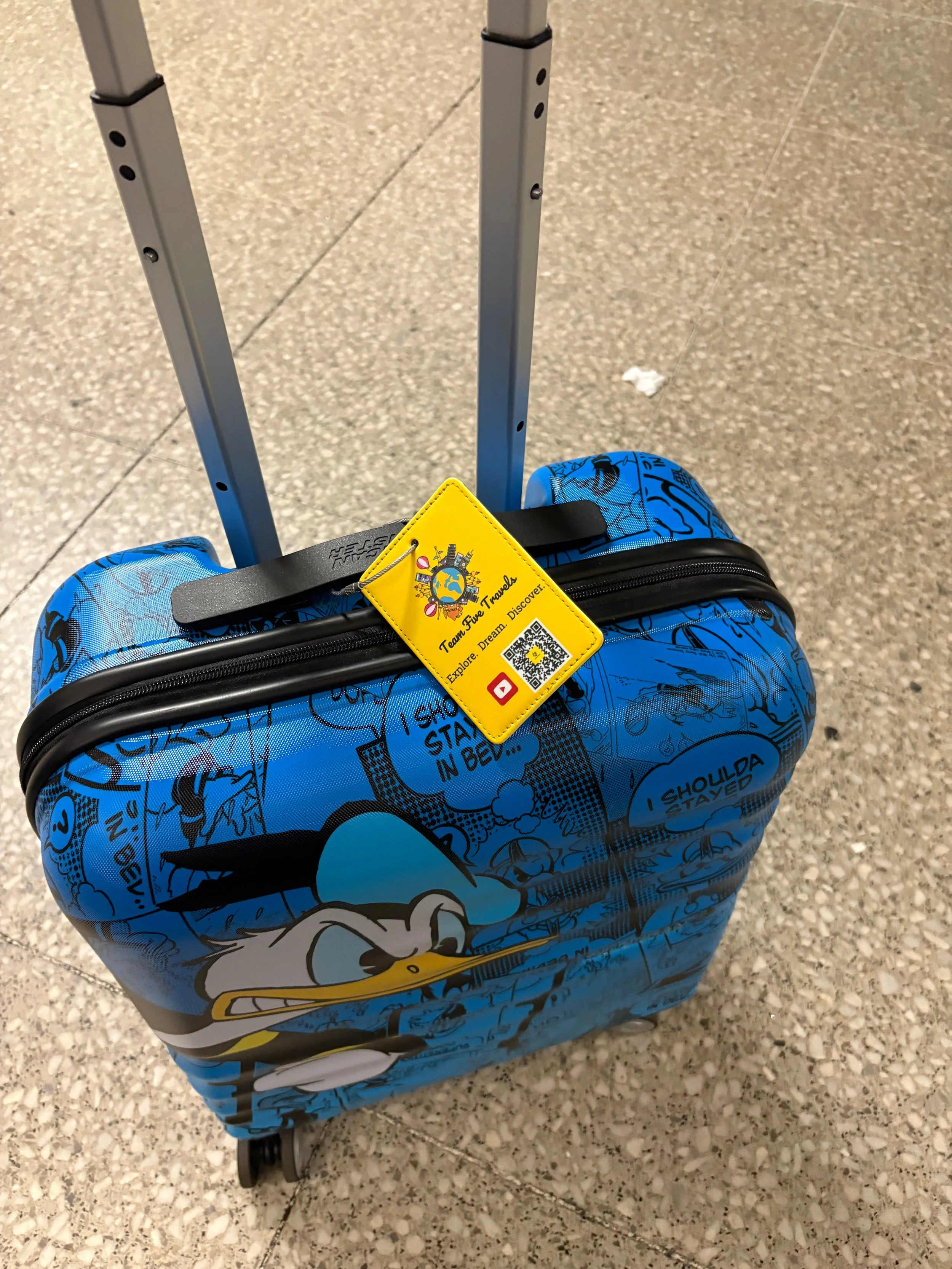
American Tourister Donald Duck - Should have stayed in bed!
Checked Luggage
✔ Clothing
✔ Shoes
✔ Toiletries
✔ Packing cubes
Cruise Line Differences Matter
Policies vary between cruise lines:
Royal Caribbean allows limited wine per stateroom
P&O Cruises has stricter alcohol limits
Disney Cruise Line is more generous with wine allowances
👉 Always check your specific cruise line — and itinerary — before sailing.
Final Thoughts: When in Doubt, Check First
Cruise packing rules aren’t designed to catch you out — they’re about safety, logistics, and consistency across thousands of guests.
The key takeaways for first-time cruisers:
Don’t assume hotel or airline rules apply
Alcohol rules are strict
Surge protection is your enemy
When unsure, check your cruise line’s website
Get this right, and embarkation day becomes stress-free — exactly how cruising should start.