

How to Plan a Disney Park Day Properly (Without Burning Out)
Planning a day at Walt Disney World isn’t just about what rides you want to do. It’s about how your day actually works. The difference between a day that feels exhausting and one that flows comes down to timing, pacing, and knowing when to push — and when to step back.
We’ve done Disney in different ways over multiple trips. Early starts, long days, minimal rest… and also slower, more balanced trips. And the biggest lesson is this: You need a plan — but you don’t want to over-plan.
This isn’t about what to pack — it’s about how to structure your day so it actually works.
👉 If you’re still thinking about what to take into the parks, look out for our blog which is coming soon : What to Pack in Your Disney Park Bag (and What You Don’t Need).
Start Strong (But Not Always Early)
Most of our days follow a similar structure — especially at the start. If we’re doing an early start, we’ll head straight to the biggest ride first. That’s the one that builds the longest queues later in the day. Get it done early, and everything else becomes easier.
From there, we’ll usually:
do a couple more rides
grab a coffee
take advantage of shorter wait times
pick up PhotoPass photos if queues are short
If the PhotoPass line is long, we skip it and come back later. It’s not worth slowing the whole morning down for.
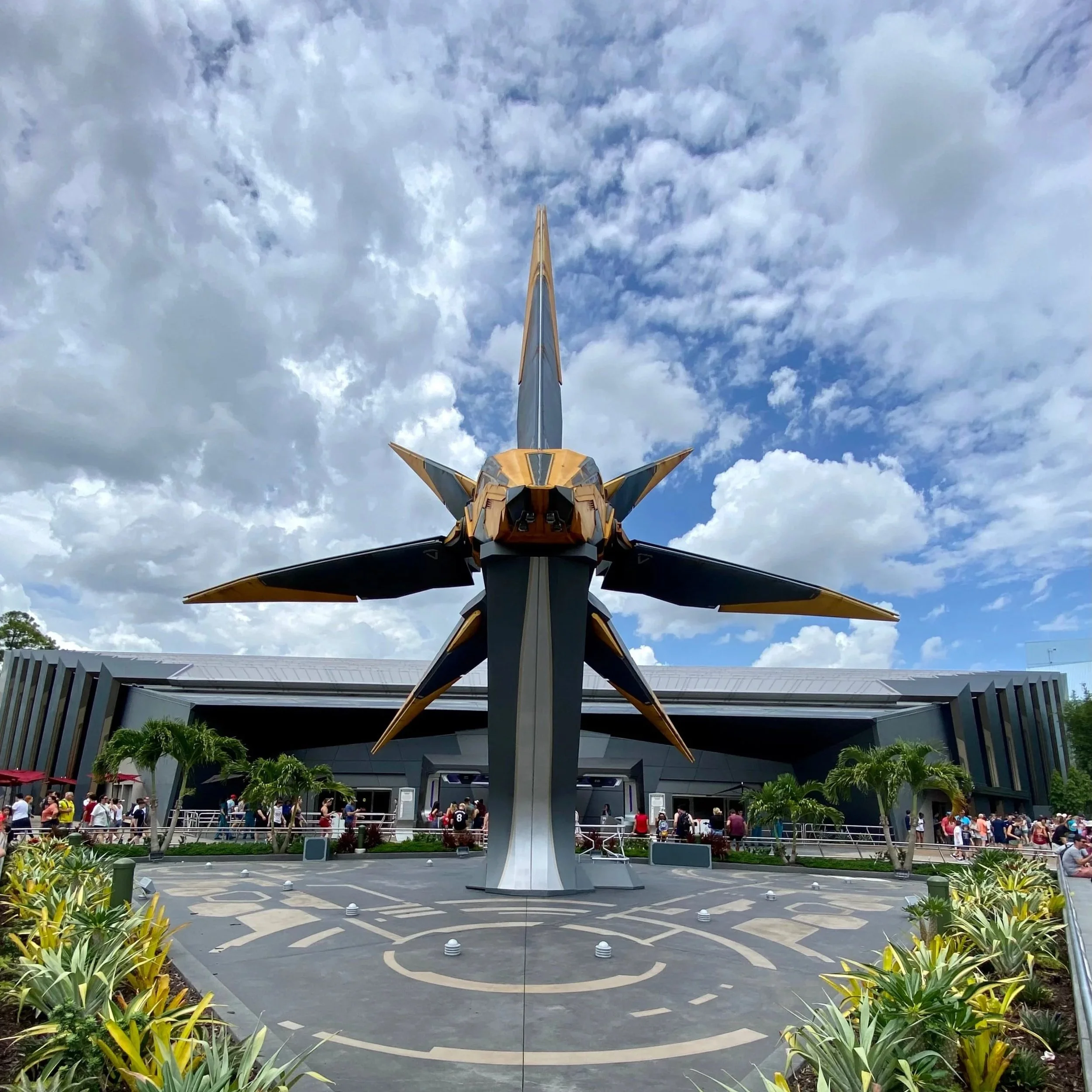
Guardians of the Galaxy, Epcot - A big ride you must do.
The First 2–3 Hours Matter Most
Those first few hours set the tone for your day.
This is where you:
tick off the big rides
make the most of lower wait times
build momentum early
If you’re using Lightning Lane, use it as it comes — not trying to force perfect times. That’s where the balance comes in: Plan enough to guide your day, but stay flexible.
Why Midday Is the Most Important Part of Your Plan
Midday is the hardest part of the day. It’s hotter, busier, and this is where energy dips hit. So instead of pushing through it — we plan around it.
Strategic Meal Timing
One of the best things we do is book:
late breakfast / early lunch (around 11:30–12:00)
Especially for character dining. That gives you:
a break from the heat
a proper sit-down
time to reset
It also works well if you’re using the dining plan.
For example:
snack credit → coffee (Starbucks / Joffrey’s)
table service → late brunch/lunch
quick service → evening
That structure spreads your energy across the day. Of course other days will be different deepening on plans and where we want to eat.
Quick Service vs Table Service
Most days, we’ll go:
quick service for convenience at lunchtime - unless as below it makes more sense to do it another way.
table service when we want a proper break or experience
And sometimes, it’s about value too. For example, using 1 credit from your doing plan for a restaurant at lunch, instead the same restaurant being 2 credits at dinner, can be a smarter use of the dining plan.
Multiple options to reset your energy.
A lot of people think you need to go back to the hotel to reset. You don’t. Sometimes it’s just about:
stepping into air conditioning
doing a slower ride
sitting down for a bit
If you’re near Magic Kingdom, you can even dip out to a monorail resort, sit down for an hour, and go back in refreshed.
Want to see how we actually pace a full Disney day? This is what it looks like in real time and with lightening lane - this was a planned lightening lane day to see how much we could get done and where it bought us time back on other days.
Where Most Disney Days Start to Break Down
It happens. Not every day — but on longer days, especially with early starts, you’ll feel it.
We handle it by:
doing indoor shows (Lion King, Philharmagic)
picking quieter rides
slowing things down
Sometimes you push through. Sometimes you don’t. We’ve had days where we’ve just said: “That’s enough for today.” And that’s fine.
Ride Strategy (Be Selective)
We’re quite strict on this now. If a queue is too long — we don’t do it.
We’ll:
come back later
do it another day
or skip it
For bigger rides, we’ll use Lightning Lane — but only where it actually makes a difference.
Timing Changes the Experience
Some rides are just better at certain times.
Doing something at night instead of during the day can completely change how it feels - like Yoshi’s adventure at epic Universal - for us it has to be done at night, it’s just so much better - you can see our full day at Epic Universe here.
Evenings, Fireworks and Flexibility
We don’t stay late every day. Most days are:
morning or afternoon
or full day → then relax in the evening
We’re selective with fireworks and parades. If you want to see them, plan for them and take a lazy morning the next day, especially if you have young ones. Always have a backup plan in case they are rained off - rare but it does happen as it did with Fantastic on our last trip in 2025.
Build Your Days Around a Structure
Our days usually follow a structure:
Big rides early
Midday reset
Flexible afternoon
Optional evening
That structure works — but it’s not rigid. If things get rained off, switch your next morning’s plan or go back to them the next time you’re in that park.
The Biggest Mistake We Made
Not building in enough rest. You can push through — and you’ll still have an amazing trip. But it’s not the best way to do it.
Adding:
half days
slower mornings
or proper rest days
Makes a huge difference. If you know you want to, and will go back, build in some rest: you’ll enjoy it far more. However, if it’s your first or only trip, suck it up and push through, get as much done as possible.
What Works Best Now
Now, we:
plan properly
don’t overfill the day
build in flexibility
and take time to enjoy it
Because it’s not just about what you get done. It’s about how the trip feels. Not every park day has to be full-on. Here’s what a slower, more relaxed Epcot day actually looks like.
The One Thing That Matters Most
If you take one thing from this:
👉 Plan your big priorities early
👉 Then let the rest of the day adapt around you
That’s what makes everything feel easier.
Final Thoughts
A good Disney day isn’t about doing everything. It’s about doing the right things at the right time. Get the structure right, stay flexible, and the whole trip becomes easier — and far more enjoyable.
NEXT STEP
Once you’ve got your daily plan sorted, the next challenge is dealing with the heat. Because that’s what catches most people out.
Coming soon - How to Beat the Heat at Disney World (Without Ruining Your Day)